Quality assurance is one of the biggest concerns for international buyers sourcing products from any country. When it comes to India, the good news is that the country has a well-developed system of quality standards, certifications, and regulatory bodies that ensure export products meet international benchmarks.
Here's what you need to know about quality standards for Indian export products.
India's Quality Regulatory Framework
India has several government bodies that oversee product quality:
- FSSAI (Food Safety and Standards Authority of India) — Regulates all food products
- BIS (Bureau of Indian Standards) — Sets quality standards for industrial and consumer products
- AGMARK — Certifies agricultural products including spices, grains, and cooking oils
- Spices Board of India — Specifically regulates spice quality and exports
- Tea Board of India — Oversees tea quality and grading
- CDSCO (Central Drugs Standard Control Organisation) — Regulates pharmaceuticals
Food Product Standards
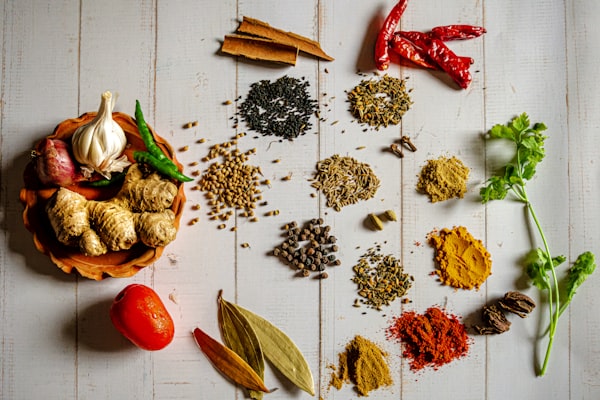
Spices Indian spices exported internationally must meet several quality parameters:
- Moisture content: Must be below specified limits (e.g., turmeric: max 10%, cumin: max 10%)
- Foreign matter: Strictly controlled — extraneous material must be below 1-2%
- Aflatoxin levels: Must comply with EU/US maximum residue limits
- Microbial limits: Total plate count, E. coli, and Salmonella must be within safe limits
- Pesticide residues: Must meet importing country's MRL (Maximum Residue Limits)
The Spices Board of India issues quality certificates for export shipments. Buyers can request these certificates along with third-party lab test reports.
Rice Indian export rice is graded by:
- Grain length: Basmati rice must meet minimum grain length requirements (6.61mm for traditional Basmati)
- Broken percentage: Ranges from 0% (premium) to 25% (economy grade)
- Moisture: Maximum 14%
- Sortex quality: Color-sorted to remove discolored grains
Jaggery Quality parameters for export-grade jaggery include:
- Sucrose content: Minimum 65-70% for premium grade
- Moisture: Below 8-10%
- Color and clarity: Graded from golden (premium) to dark brown
- Packaging: Food-grade poly-lined bags to prevent moisture absorption
Tea Indian teas are graded using a standardized system:
- Orthodox teas: FTGFOP, TGFOP, FOP, OP (highest to lowest grade)
- CTC teas: BOP, BP, BOPF, Dust
- Tea Board certification ensures compliance with pesticide residue limits
Textile and Garment Standards
Indian textile exports must comply with:
- OEKO-TEX Standard 100: Certifies that textiles are free from harmful substances
- GOTS (Global Organic Textile Standard): For organic cotton and textile products
- ISO 9001: Quality management system certification
- Azo dye restrictions: Compliance with EU REACH regulations on banned chemical substances
- Fabric testing: GSM (weight), shrinkage, color fastness, tensile strength
Most reputable Indian textile manufacturers have these certifications and can provide test reports from accredited laboratories.
Leather Product Standards
Indian leather exports follow:
- Chrome VI limits: Must comply with EU regulations (below 3 mg/kg)
- PCP (Pentachlorophenol): Must be below detectable limits
- Formaldehyde content: Controlled for leather used in garments and accessories
- Physical testing: Tear strength, abrasion resistance, flex endurance
India's Council for Leather Exports (CLE) assists exporters in meeting international quality requirements.
Pre-Shipment Quality Inspection
Regardless of the product category, buyers should always insist on a pre-shipment inspection. This typically includes:
- 1Visual inspection: Checking product appearance, packaging, and labeling
- 2Quantity verification: Confirming the shipment matches the order
- 3Lab testing: Third-party lab analysis for food safety, chemical compliance, or physical properties
- 4Packaging check: Ensuring packaging is suitable for sea freight and meets importing country requirements
How We Ensure Quality at Fast Scaling Trade
At Fast Scaling Trade, quality control is built into every step of our process:
- 1Supplier verification: We work only with manufacturers who have a proven track record and relevant certifications
- 2Product sampling: We collect and evaluate samples before confirming any order
- 3Factory inspection: For large orders, we visit the manufacturing facility
- 4Pre-shipment inspection: Every shipment undergoes quality checks before it leaves India
- 5Documentation: We provide all necessary certificates, lab reports, and quality documents with every shipment
We believe that consistent quality is the foundation of long-term trade relationships. Every product we export carries our reputation, and we treat that responsibility seriously.