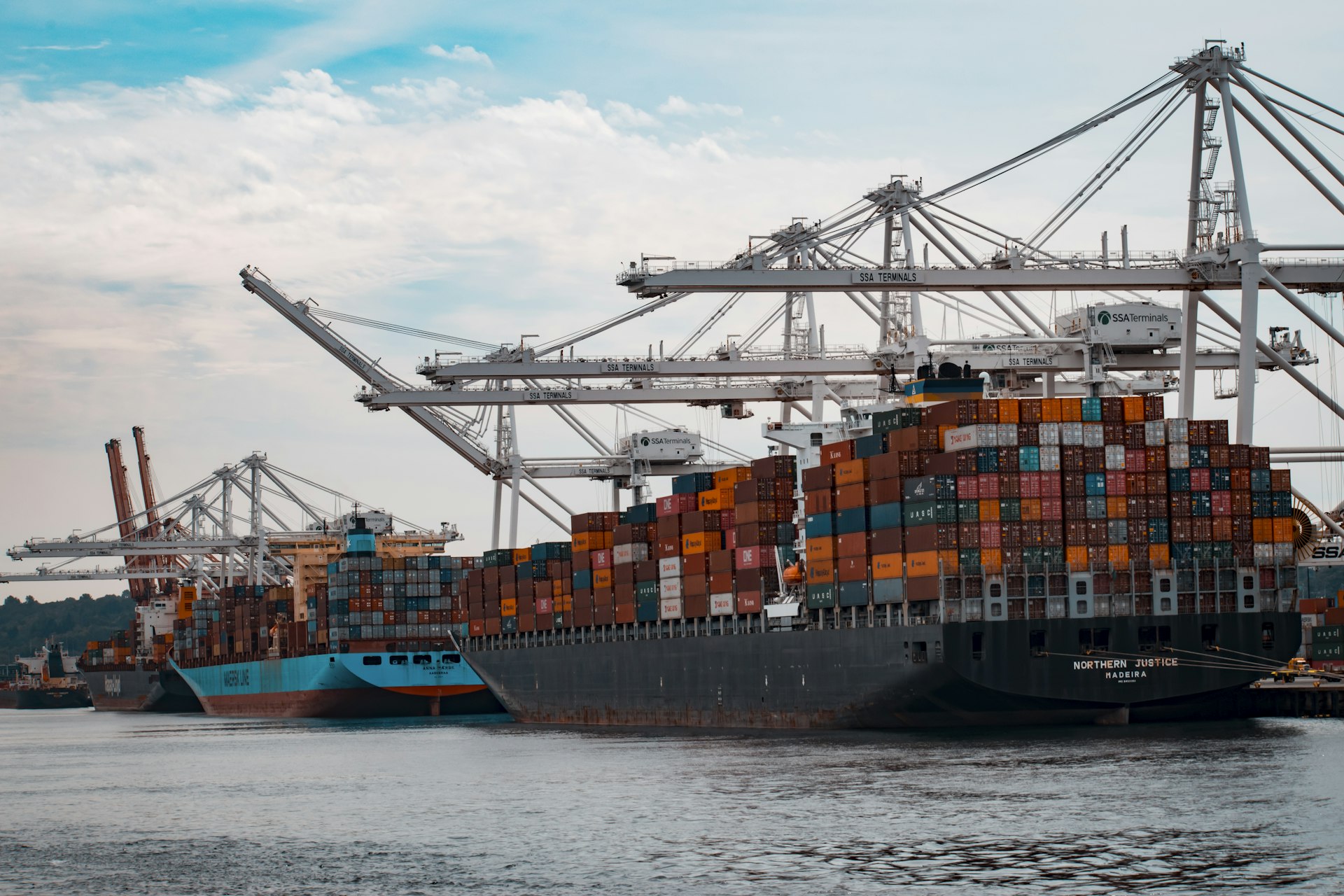
India has emerged as one of the most important sourcing destinations for international buyers. With a manufacturing sector that contributes over 17% of the country's GDP and a workforce of over 500 million people, India offers a compelling combination of quality, scale, and competitive pricing that few countries can match.
India's Manufacturing Strengths
India ranks among the top global producers in several key categories:
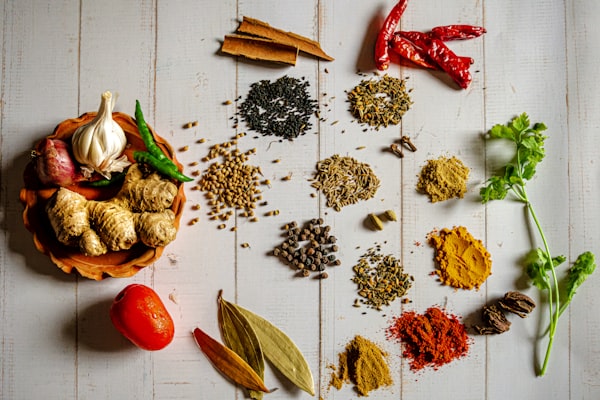
- Spices: India produces approximately 75% of the world's spices, making it the undisputed leader in this category. From turmeric and cumin to cardamom and black pepper, Indian spices are known for their aroma, flavor, and potency.
- Jute: As the world's largest jute producer, India supplies eco-friendly packaging materials that are increasingly in demand as businesses shift away from plastic.
- Tea: India is the world's second-largest tea producer, with iconic varieties like Assam, Darjeeling, and Nilgiri commanding premium prices globally.
- Textiles: India is among the top 5 textile exporters globally, offering everything from raw cotton and woven fabrics to finished garments and home textiles.
- Pharmaceuticals: Often called the "Pharmacy of the World," India supplies over 50% of the global demand for vaccines and 40% of generic medicines sold in the United States.
- Leather: India's leather industry, centered in Tamil Nadu, Uttar Pradesh, and West Bengal, produces high-quality finished leather and leather goods at competitive prices.
Cost Advantage Without Compromising Quality
One of the primary reasons buyers source from India is the significant cost advantage. Labor costs in India are substantially lower than in China, Vietnam, or other competing manufacturing hubs, which translates directly into lower product costs for buyers.
However, lower cost does not mean lower quality. Indian manufacturers increasingly comply with international quality standards including ISO, FSSAI (for food products), BIS, and GMP. Many Indian factories have been audited and certified by global buyers and third-party inspection agencies.
Diverse Product Range
Unlike countries that specialize in one or two categories, India offers an extraordinarily diverse product range. A single sourcing partner in India can help you procure:
- Food products (rice, spices, tea, jaggery, sugar)
- Textiles and garments (cotton, silk, wool, synthetic blends)
- Leather goods (bags, belts, wallets, shoes, finished leather)
- Handicrafts and home decor (brass, wood, ceramic, stone)
- Carpets and rugs (hand-knotted, hand-tufted, machine-made)
- Jute and eco-friendly products (bags, sacks, twine)
- Pharmaceuticals and medical supplies
This diversity simplifies supply chain management for buyers who need multiple product categories.
Government Support for Exports
The Indian government actively supports exports through several initiatives:
- Export Promotion Councils provide guidance and facilitate trade connections
- Duty drawback schemes reduce costs for exporters
- Free Trade Agreements with many African and Asian countries reduce import duties for buyers
- Special Economic Zones (SEZs) offer tax benefits to manufacturers focused on exports
Growing Trade with Africa
India-Africa bilateral trade has grown significantly in recent years. India is now one of Africa's largest trade partners, with established shipping routes to major African ports. Indian products — particularly food items, textiles, and pharmaceuticals — are already well-known and trusted in African markets.
For buyers in Tanzania, Kenya, Nigeria, and other African countries, sourcing from India offers shorter shipping times compared to East Asian suppliers, along with familiar product quality and competitive pricing.
How to Start Sourcing from India
If you're considering sourcing from India for the first time, here's a practical approach:
- 1Identify your product requirements — Be specific about product type, quality grade, quantity, and target price.
- 2Find a reliable sourcing partner — Work with an established export company that can handle supplier verification, quality checks, and logistics.
- 3Request samples — Always evaluate product samples before placing a bulk order.
- 4Understand pricing terms — Know the difference between FOB, CIF, and DDP pricing so you can compare quotes accurately.
- 5Start with a trial order — Begin with a smaller quantity to test the entire supply chain before scaling up.
Working with a trusted Indian export partner like Fast Scaling Trade simplifies this process. We handle supplier sourcing, quality inspection, documentation, and shipping — so you can focus on selling in your market.