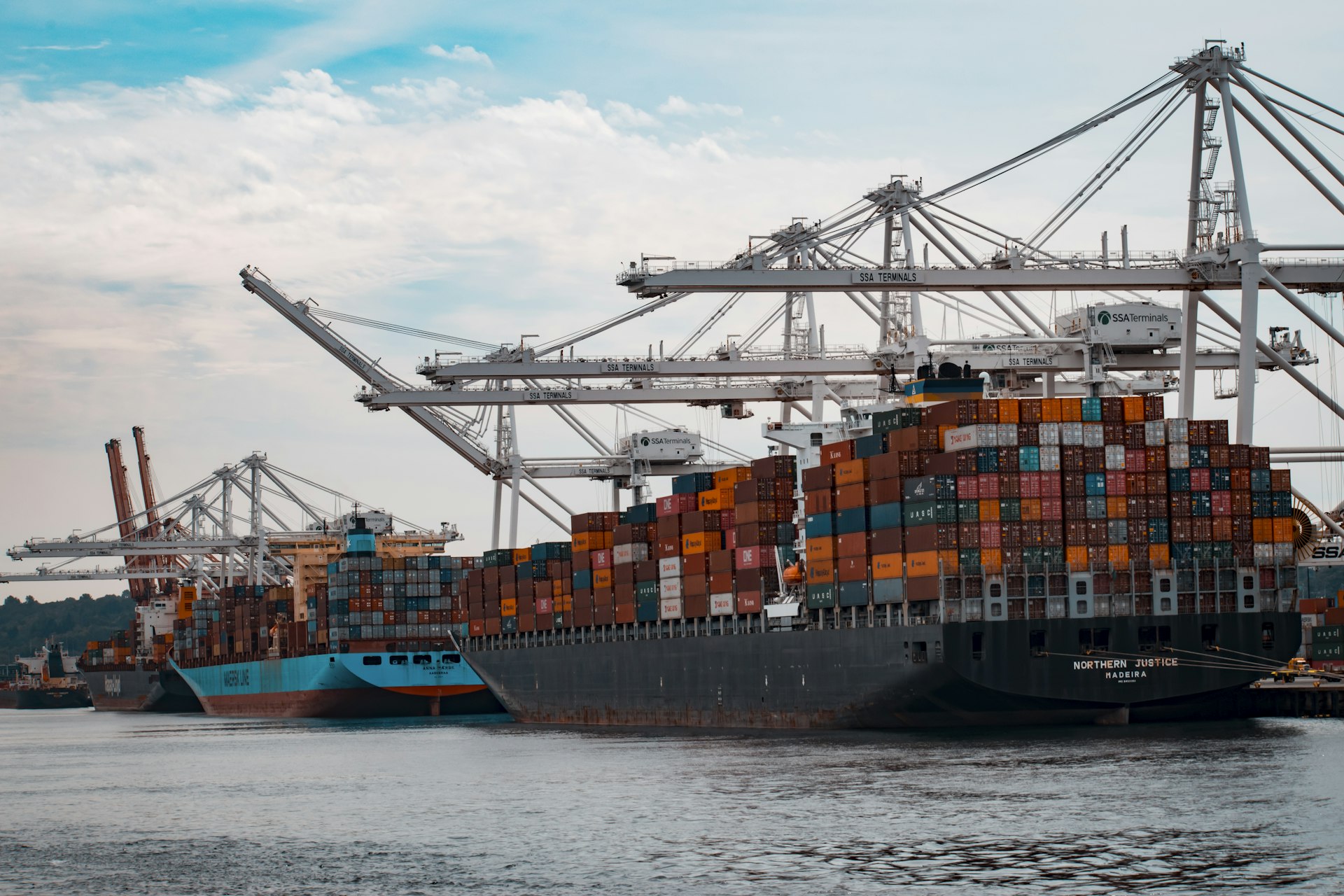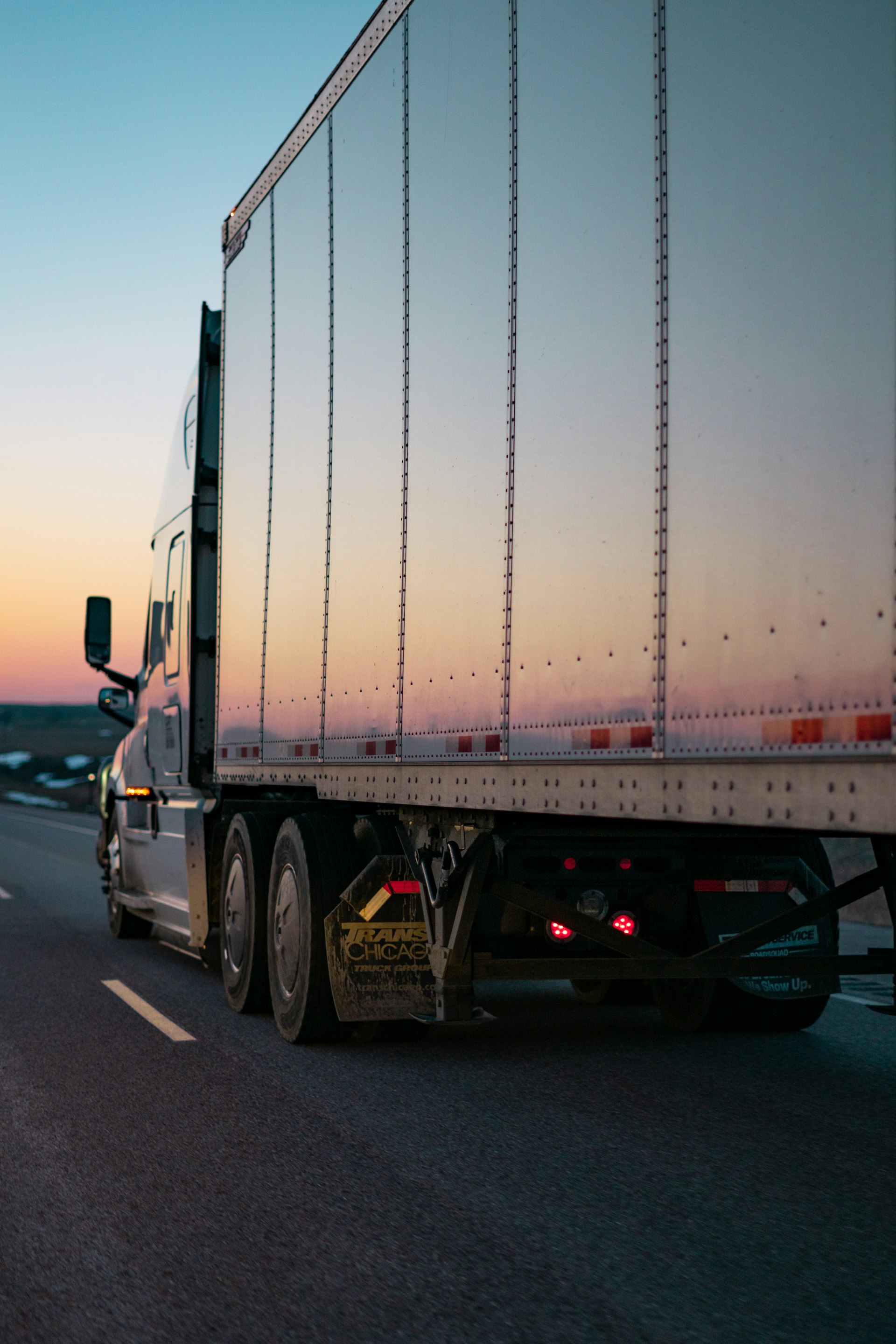
Understanding the shipping process from India is crucial for any international buyer. This guide covers the major Indian ports, shipping routes, container types, typical costs, and transit times to help you plan your imports effectively.
Major Indian Ports for Exports
India has 13 major ports and over 200 minor ports. For international exports, these are the most commonly used:
West Coast Ports - **JNPT / Nhava Sheva (Mumbai)**: India's busiest container port, handling about 50% of India's containerized cargo. Best for shipments to Africa, Middle East, and Europe. - **Mundra (Gujarat)**: India's largest private port with excellent infrastructure. Competitive rates and efficient operations. Good for Middle East and African routes. - **Kandla (Gujarat)**: Handles bulk cargo and is popular for rice, sugar, and grain exports.
East Coast Ports - **Chennai**: Major port for South India. Good for shipments to Southeast Asia and East Africa. - **Kolkata/Haldia**: Primary port for Eastern India. Handles jute, tea, and agricultural exports. - **Visakhapatnam**: Growing port with good connectivity to ASEAN countries.
South Coast - **Cochin (Kochi)**: Important for spice exports from Kerala. Direct routes to Middle East and Europe. - **Tuticorin**: Key port for South Tamil Nadu's textile and leather exports.
FCL vs LCL: Which Should You Choose?
FCL (Full Container Load) You book an entire container exclusively for your cargo.
- Container sizes:
- 20ft container: ~28-30 cubic meters, max payload ~21-24 MT
- 40ft container: ~58-60 cubic meters, max payload ~26-28 MT
- 40ft High Cube: ~68 cubic meters, max payload ~26 MT
Best for: Large orders (typically over 15 MT or enough to fill at least 75% of a container). More cost-effective per unit, faster transit, and lower risk of damage.
LCL (Less than Container Load) Your cargo shares container space with other shippers' goods.
Best for: Smaller shipments (under 10-15 cubic meters). Higher per-unit cost but lower total outlay. Good for trial orders and samples.
Trade-off: LCL shipments typically take 5-10 days longer due to consolidation and deconsolidation at both ends.
Typical Transit Times from India
Transit times from major Indian ports to key destinations:
To East Africa | Route | Transit Time | |---|---| | JNPT to Dar es Salaam | 12-16 days | | JNPT to Mombasa | 10-14 days | | Mundra to Dar es Salaam | 14-18 days | | Chennai to Mombasa | 8-12 days |
To West Africa | Route | Transit Time | |---|---| | JNPT to Lagos | 20-28 days | | Mundra to Lagos | 22-30 days |
To Middle East | Route | Transit Time | |---|---| | JNPT to Jebel Ali (Dubai) | 3-5 days | | Mundra to Jebel Ali | 2-4 days |
To Europe | Route | Transit Time | |---|---| | JNPT to Felixstowe (UK) | 18-24 days | | JNPT to Rotterdam | 18-22 days |
To East Asia | Route | Transit Time | |---|---| | Chennai to Shanghai | 12-16 days | | JNPT to Shanghai | 14-18 days |
Shipping Cost Factors
Freight costs depend on several variables:
- 1Origin and destination ports: Routes with high traffic (India-Dubai, India-East Africa) tend to have more competitive rates
- 2Container type: Standard 20ft is cheapest; specialized containers (refrigerated, open-top) cost more
- 3Season: Rates peak during Q4 (October-December) due to holiday season demand
- 4Fuel surcharges: Bunker Adjustment Factor (BAF) fluctuates with oil prices
- 5Cargo type: Hazardous or oversized cargo attracts surcharges
Approximate Freight Rates (FCL, 20ft container)
These are rough estimates and fluctuate regularly:
- India to East Africa: $800-1,500
- India to West Africa: $1,200-2,500
- India to Dubai/UAE: $400-800
- India to UK/Europe: $1,000-2,000
- India to China: $600-1,200
Documentation Required for Shipping
Every international shipment from India requires:
- 1Commercial Invoice: Details of the transaction, product, quantity, value
- 2Packing List: Itemized list of package contents, weights, dimensions
- 3Bill of Lading (B/L): Issued by the shipping line, serves as a receipt and title document
- 4Certificate of Origin: Proves the goods were manufactured in India (important for duty preferences)
- 5Phytosanitary Certificate: Required for agricultural products (spices, rice, tea, jaggery)
- 6Fumigation Certificate: Required by many importing countries for wooden packaging
- 7Quality/Lab Test Reports: Depending on product type and buyer requirements
- 8Insurance Certificate: If shipping on CIF terms
Tips to Avoid Shipping Delays
- 1Book early: During peak seasons, container availability can be tight. Book at least 2-3 weeks in advance.
- 2Complete documentation early: Missing or incorrect documents are the #1 cause of shipping delays.
- 3Choose direct routes: Transshipment (stopping at intermediate ports) adds time and increases risk.
- 4Insure your cargo: Marine insurance typically costs 0.3-0.5% of cargo value — a small price for peace of mind.
- 5Work with experienced partners: An experienced export company can navigate port procedures, documentation, and customs efficiently.
At Fast Scaling Trade, we handle the entire shipping process — from factory pickup and port handling to documentation and vessel booking. We ship on FOB, CIF, and DDP terms, giving you flexibility based on your experience level and cost preferences.